Anshuk Sharma - AI: Executive Perspectives Part Two
24 Jul, 2025


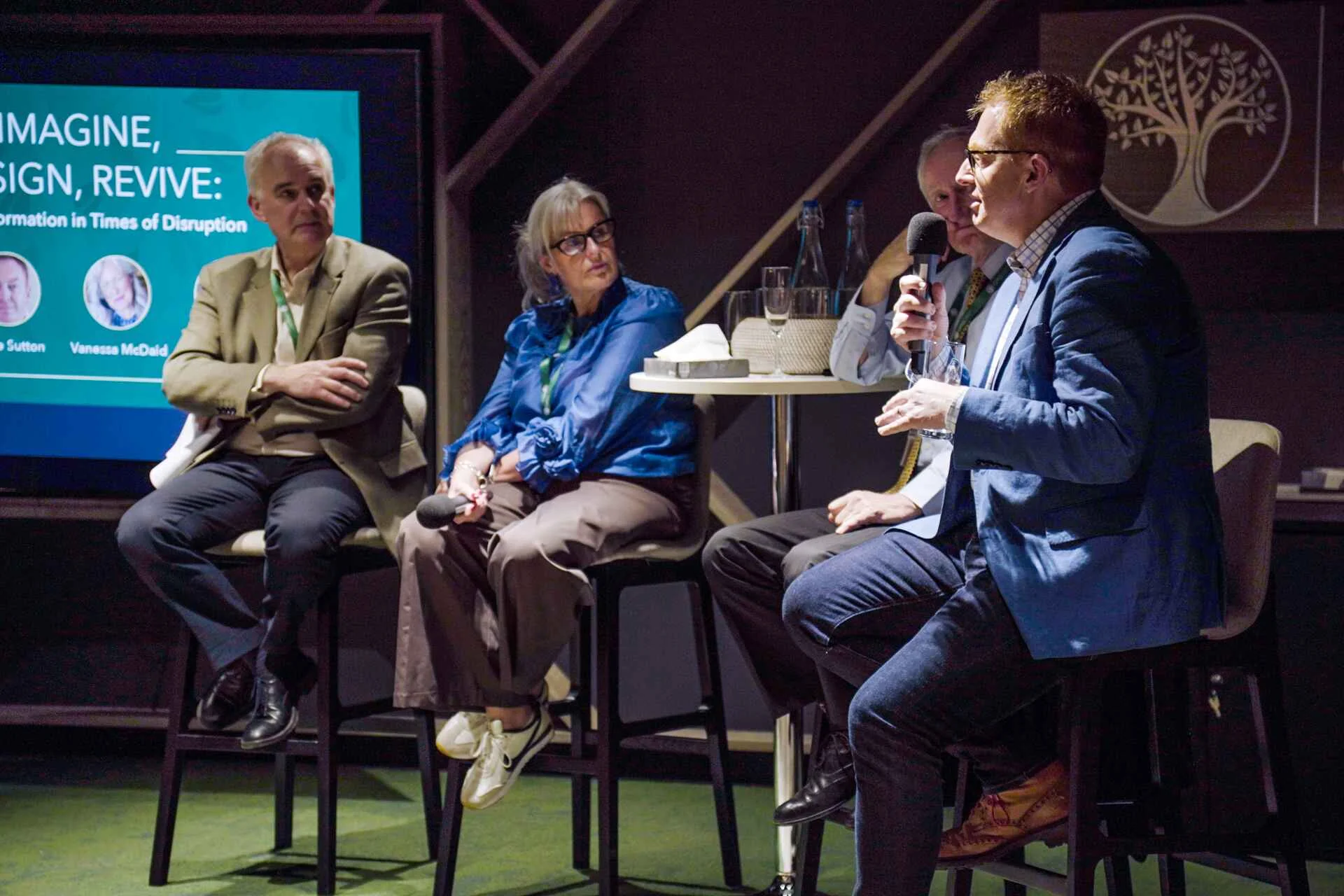
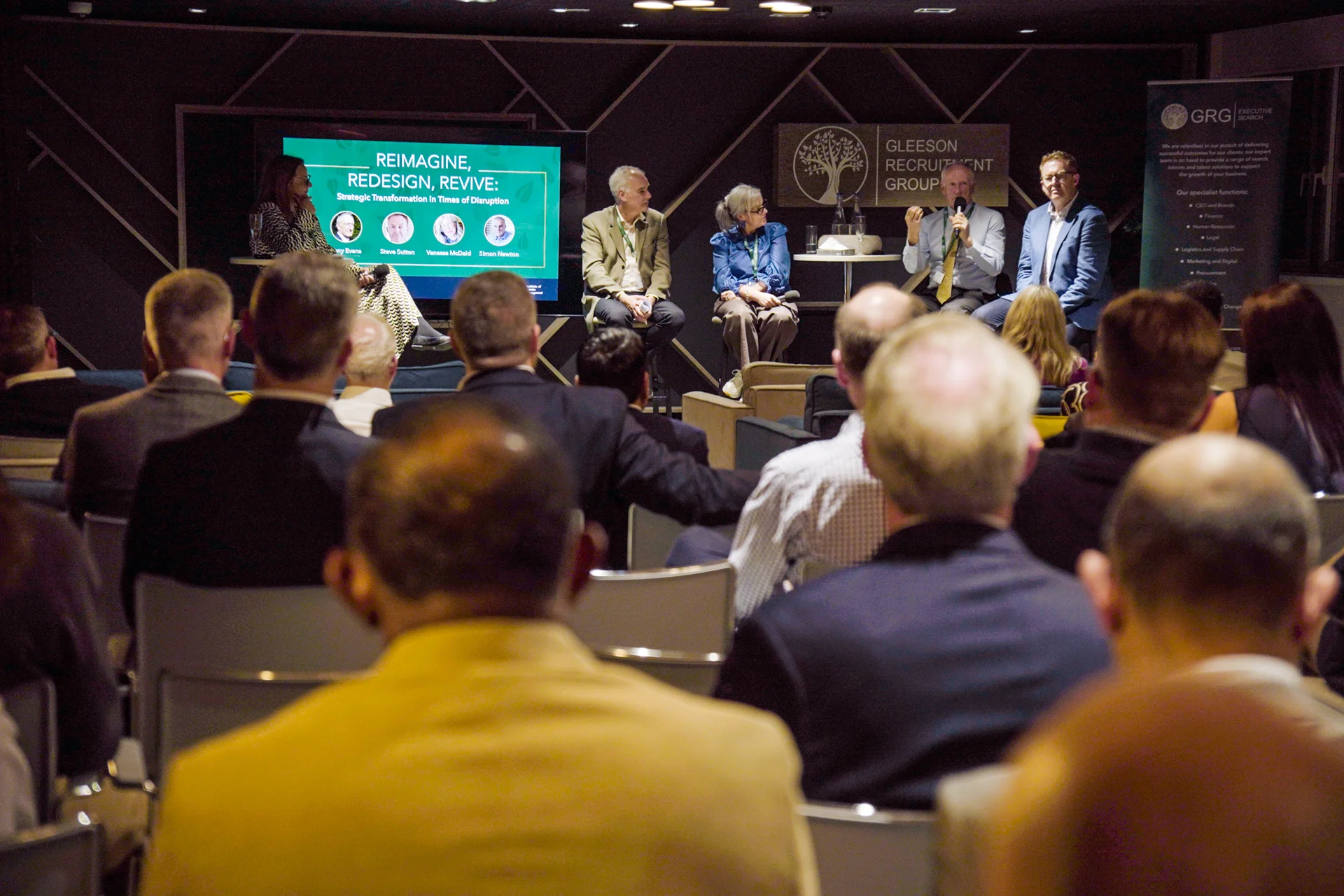
In a rapidly shifting global environment, transformation has become more than a strategic initiative - it is a defining capability for organisational survival. Against this backdrop, GRG Executive Search, in partnership with the Institute of Interim Management (IIM), hosted an expert panel of senior leaders to explore the realities of Strategic Transformation in Times of Disruption.
The event, hosted by Sarah Bradley, Head of Interim Practice at GRG Executive Search, brought together a distinguished line-up: Tony Evans, Chair of the IIM and experienced interim CEO; Vanessa McDaid, Chief Information Officer; Steve Sutton, Business and Technology Transformation Leader; and Simon Newton, Global Business Services and Finance Transformation Leader.
With an audience of C-suite professionals and transformation experts, the panel offered a candid discussion on how organisations can navigate uncertainty, drive value, and sustain momentum in periods of disruption.
Opening the discussion, Tony Evans challenged the audience to distinguish between temporary market shocks and genuine inflexion points demanding transformation.
“I see transition and transformation as being on a continuum,” he explained. “The key is how organisations observe and interpret their environment. You can’t afford to be surprised by disruption - whether technological or competitive - you must prepare for it.”
Tony emphasised that transformation readiness begins with leadership awareness and capability. “When times are tough, investment in forward-looking strategy and skills can easily be deferred. But no organisation can afford to ignore the need to prepare its people and its structures for what’s coming next.”
For Steve Sutton, one of the most common reasons transformation fails is the gap between strategic ambition and execution.
“Too often, we see grand mission statements that sound impressive but mean very little on the ground,” he shared. “The real challenge is breaking those broad strategic goals into actionable, digestible pieces of work that people can understand and contribute to.”
Steve underscored that early wins matter: “Once momentum builds and advocates start to emerge, transformation becomes self-reinforcing. It’s about creating clarity and ownership across all levels of the organisation.”
Balancing Long-Term Transformation with Short-Term Realities
Simon Newton addressed a central tension faced by every executive team: how to invest in long-term transformation while maintaining short-term performance.
He believes that there is no secret formula: “It comes down to planning, sequencing, and understanding where value is really added. The sooner you can get points on the board — cash or results — the more credibility your long-term transformation gains.”
Simon also highlighted the importance of communication and transparency with investors. “Get your story straight from the outset. The investment community can understand long-term transformation if you’re clear, consistent, and predictable in your communications.”
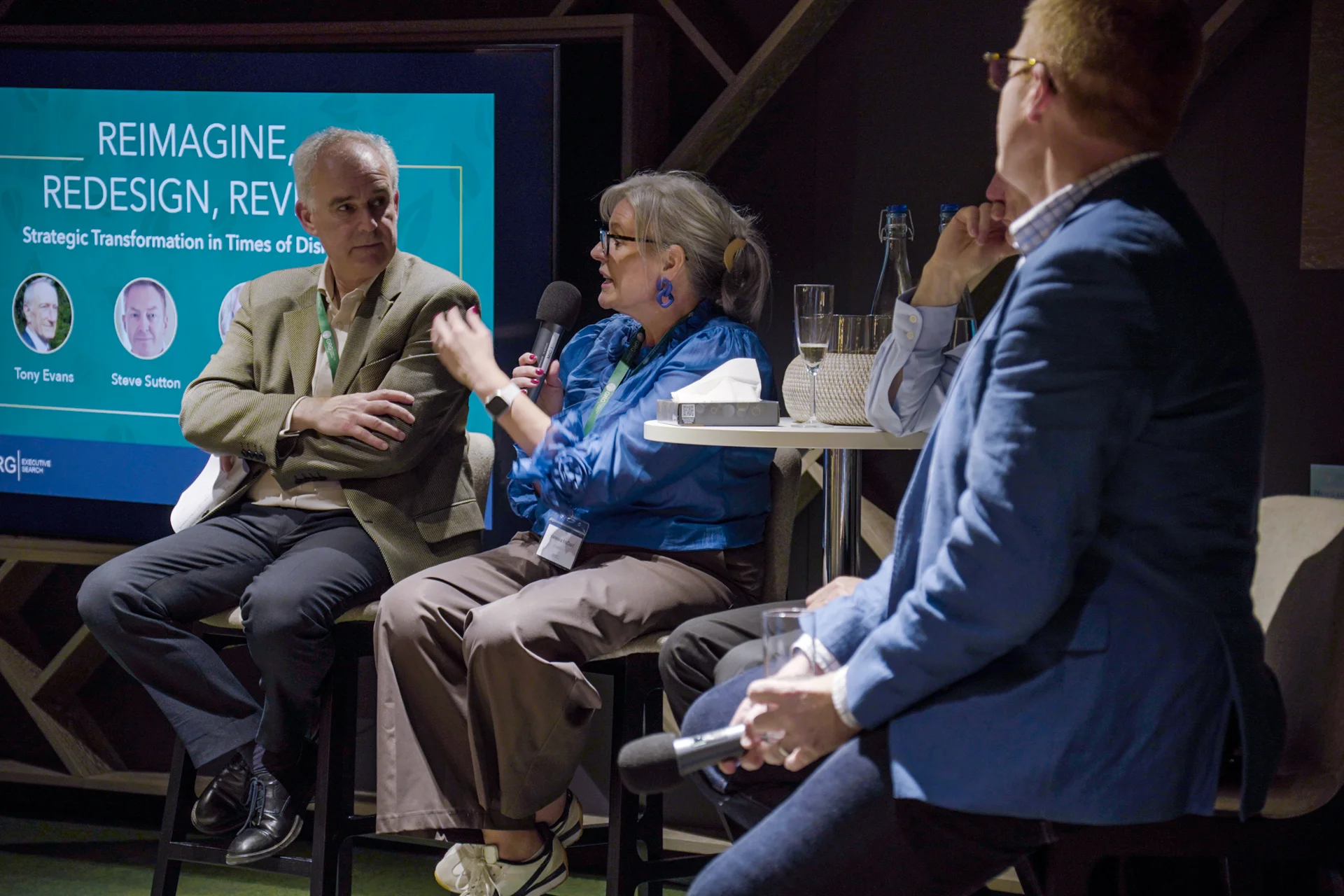
For Vanessa McDaid, disruption has redefined how technology supports transformation - but she was quick to stress that technology alone is not the answer.
“It’s not about the technology itself,” she said. “It’s about intentionality - knowing where the value lies and how you’ll access it quickly. Transformation succeeds when leadership alignment, purpose, and speed come together.”
Vanessa also spoke passionately about the human side of change: “People need to see progress and outcomes. Quick wins not only drive value but they also build belief and resilience.”
Returning to the theme of alignment, Tony observed that successful transformation depends on clarity, communication, and collective ownership.
“It’s about shared values and an agreed plan of action,” he said. “People need to understand their role in the change and how their contribution fits into the bigger picture. Without that, you don’t generate goodwill - and goodwill is the fuel of transformation.”
He also shared that leaders must build trust by engaging teams meaningfully: “If people understand what’s at stake and why, they’ll work with you to achieve it.”
When asked about the mindset shifts required within finance to support rapid change, Simon offered a pragmatic perspective: “In volatile markets, finance leaders need to move from a ‘service-obsessed’ mindset to an agile one, focusing on speed to meet business needs rather than perfection.
“Finance functions must also become more entrepreneurial. That means being willing to take opportunities and accept a degree of risk of failure. The traditional controlled, risk-averse approach can slow progress when speed and adaptability are critical.”
Discussing leadership resilience, Vanessa acknowledged that constant change is now a fixture of business life.
“Change is the only constant,” she shared. “Resilience and honesty are key. Leaders must be clear about why change is happening, create space for people to question it, and be brave enough to acknowledge when things aren’t going to plan.”
She offered an example from her own experience: “Sometimes the right decision is to delay going live on a project. Creating a culture where people can be honest about risk or readiness is essential to long-term success.”
Velocity Over Speed: Transformation with Direction
Tony later returned to a striking metaphor: “I dislike the word ‘speed’. Speed tells you how fast you’re moving, but not where you’re going. Velocity, by contrast, gives you both speed and direction.”
He explained that many organisations “dash around at 100 miles an hour in ever-decreasing circles” - mistaking activity for progress. “True transformation requires velocity: clear direction, purposeful momentum, and communication that brings people along for the journey.”
Simon expanded on the theme of risk management in uncertain environments. “Risk management shouldn’t be a tick-box exercise,” he warned. “Meaningful planning and accountability are what prevent crises, not paperwork.”
He added that disruption isn’t inherently negative. “It can create opportunities as well as threats. Businesses must be flexible enough to ramp up as easily as they ramp down, whether that might mean new partnerships, acquisitions, or resource shifts.”
For Vanessa, modernising legacy systems is one of transformation’s toughest challenges. “Legacy technology is embedded everywhere,” she said. “You have to lift the hood, understand what’s really there, and not be afraid to reassess assumptions as you go.”
She stressed the importance of balancing progress with pragmatism: “Legacy replacement will always cause disruption, but leaning into that disruption and celebrating small wins builds resilience in the long run